Archetype

A human-in-the-loop, multi-agent AI pipeline that turns a single creative brief into a complete concept world. Three specialized agents collaborate on narrative, structural geometry, and visual generation while the user steers every key decision.
2026
AI Systems Designer
- Typescript
- Python
- Python FastAPI
- Gemini 2.5 Flash-Image
Tech Stack
Technologies and tools used to bring this project to life.
- Typescript
- Python
- Python FastAPI
- Gemini 2.5 Flash-Image
My Role
AI Systems Designer • A few of the surfaces I shaped on this project
Lore Agent
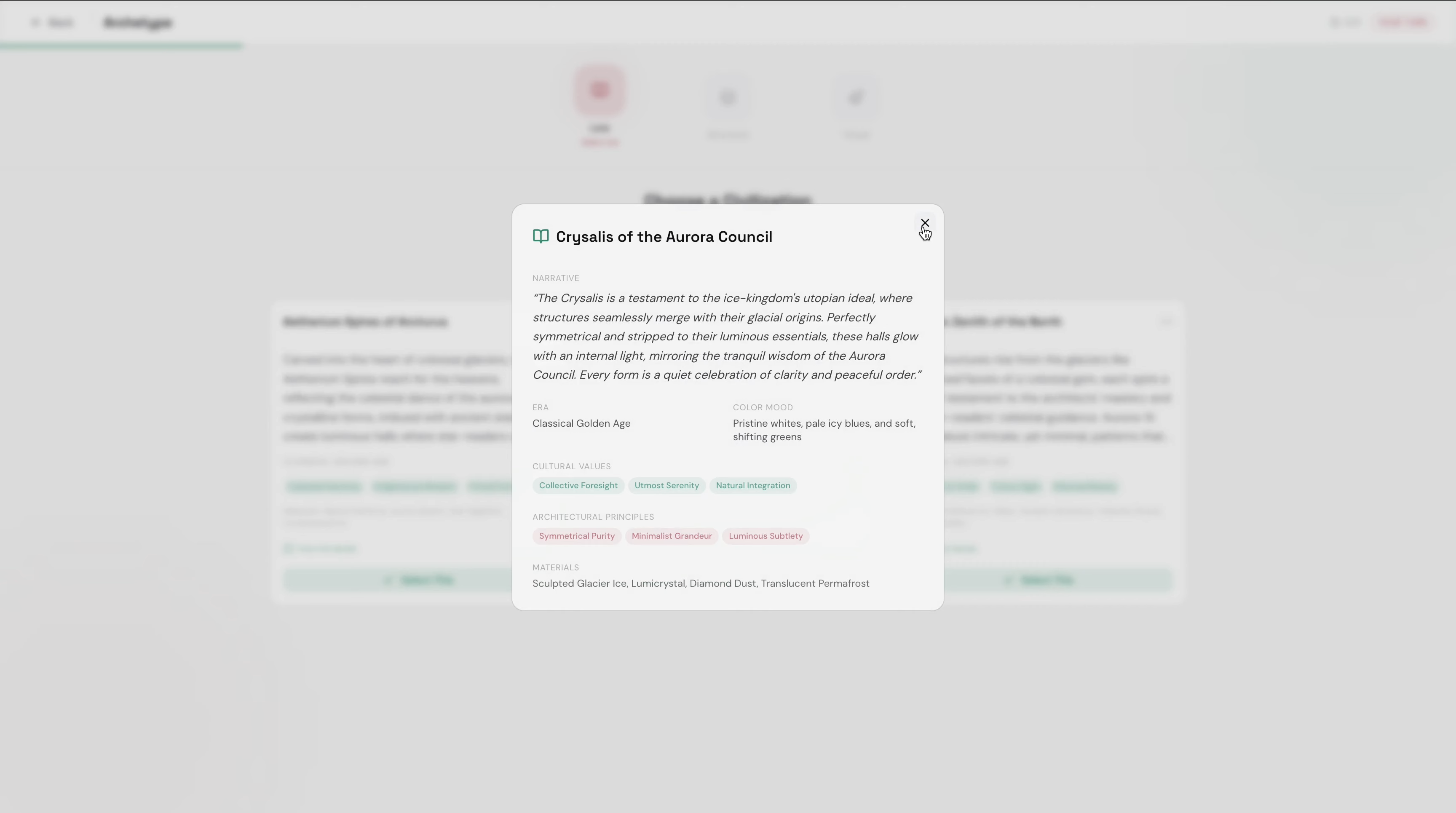
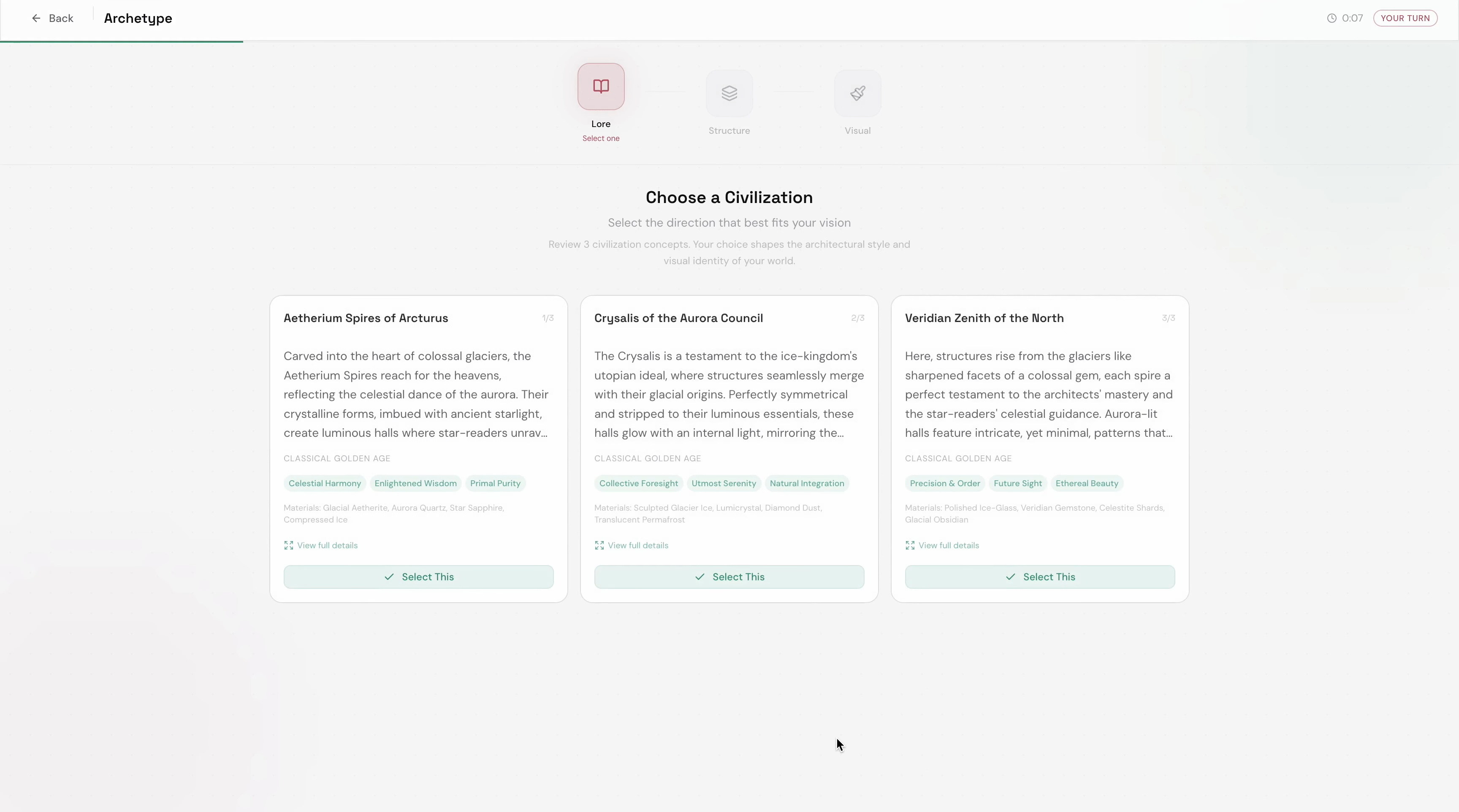
Generates three distinct cultural framings per brief, each carrying its own values, materials, climate, and ritual language. The user picks the framing that the rest of the pipeline will inherit.
Structure Agent
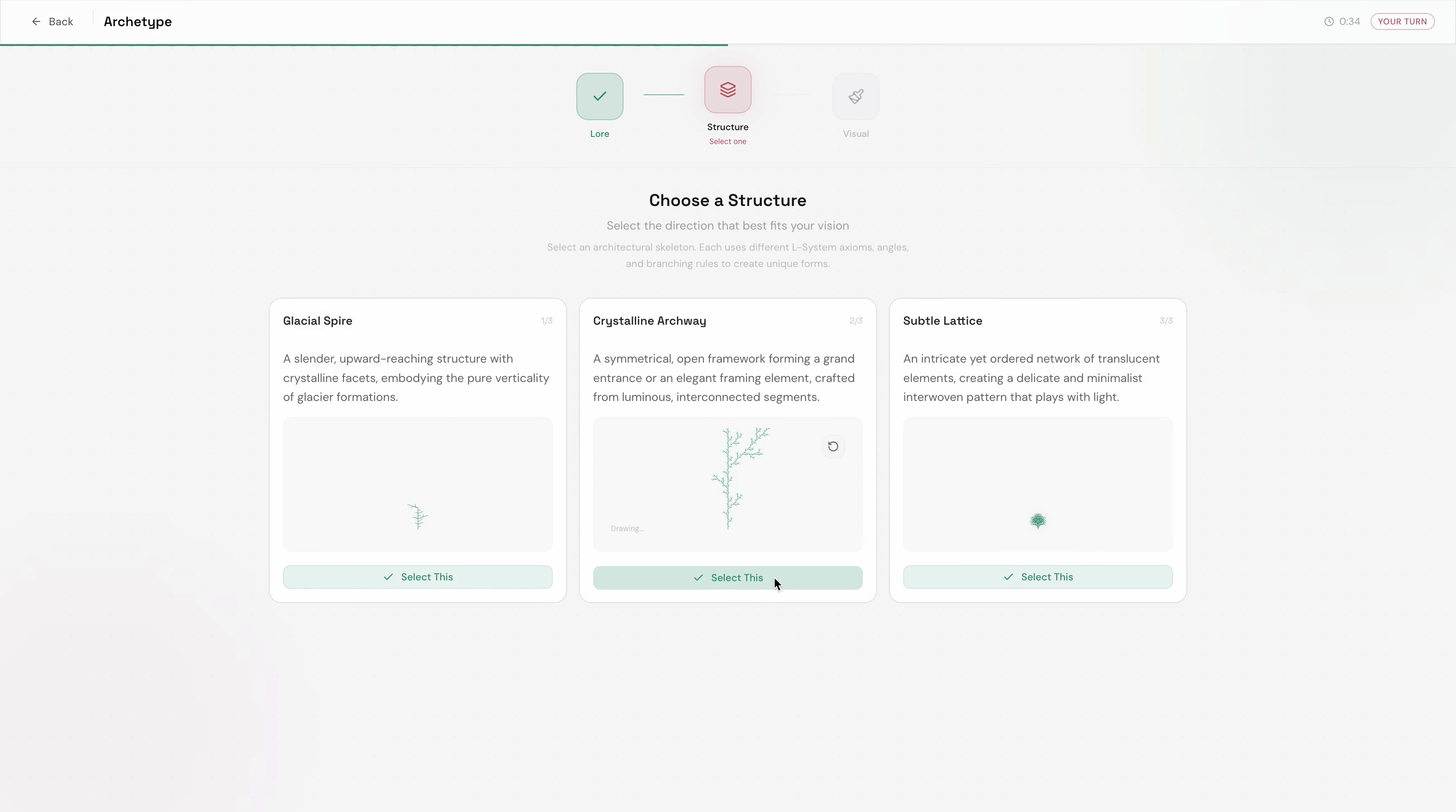
Translates the chosen lore into L-system fractal rules and renders the result as native SVG. The geometry stays editable and reproducible, and every shape traces back to a specific cultural decision.
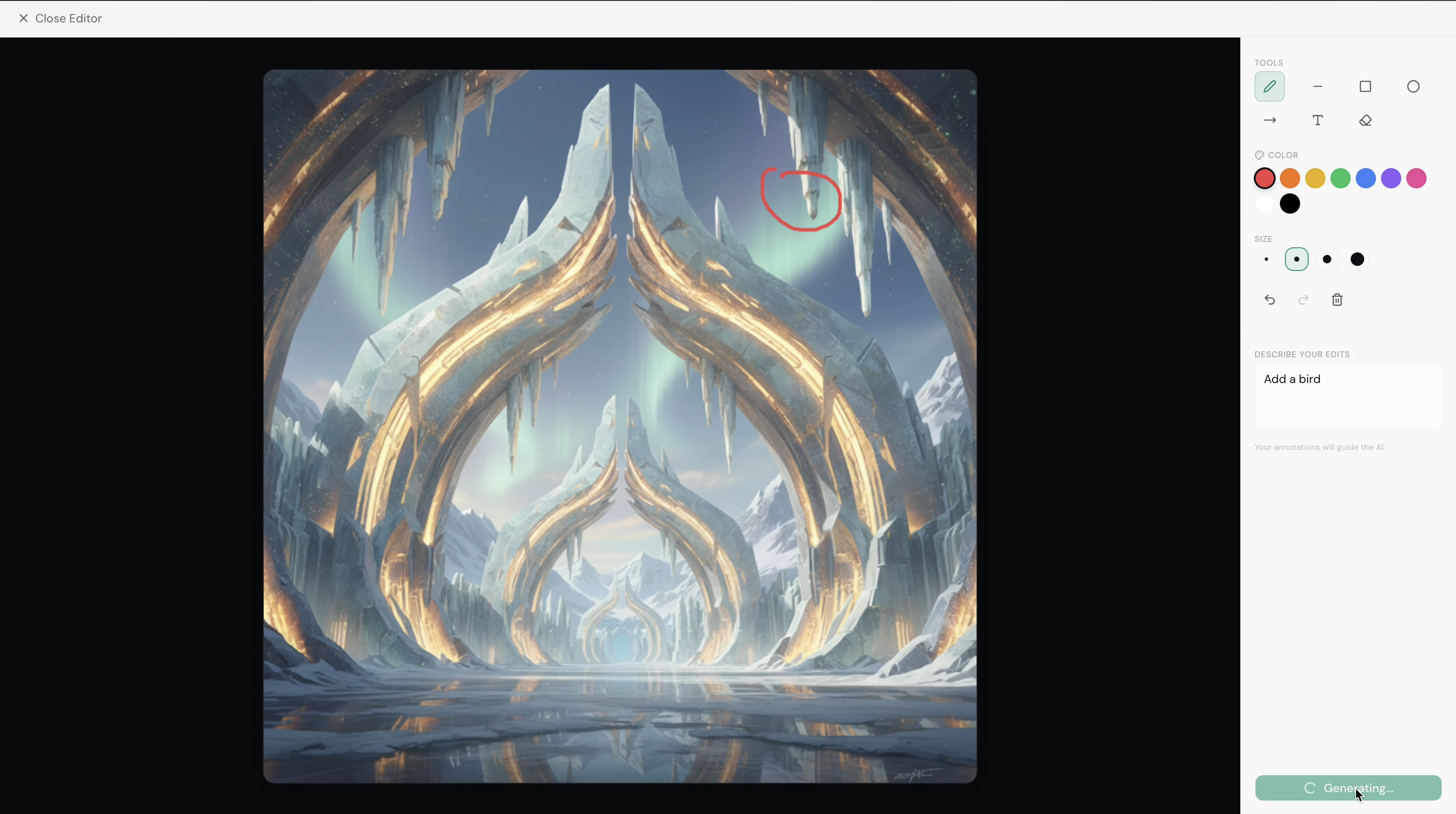
Image Generation & Editing
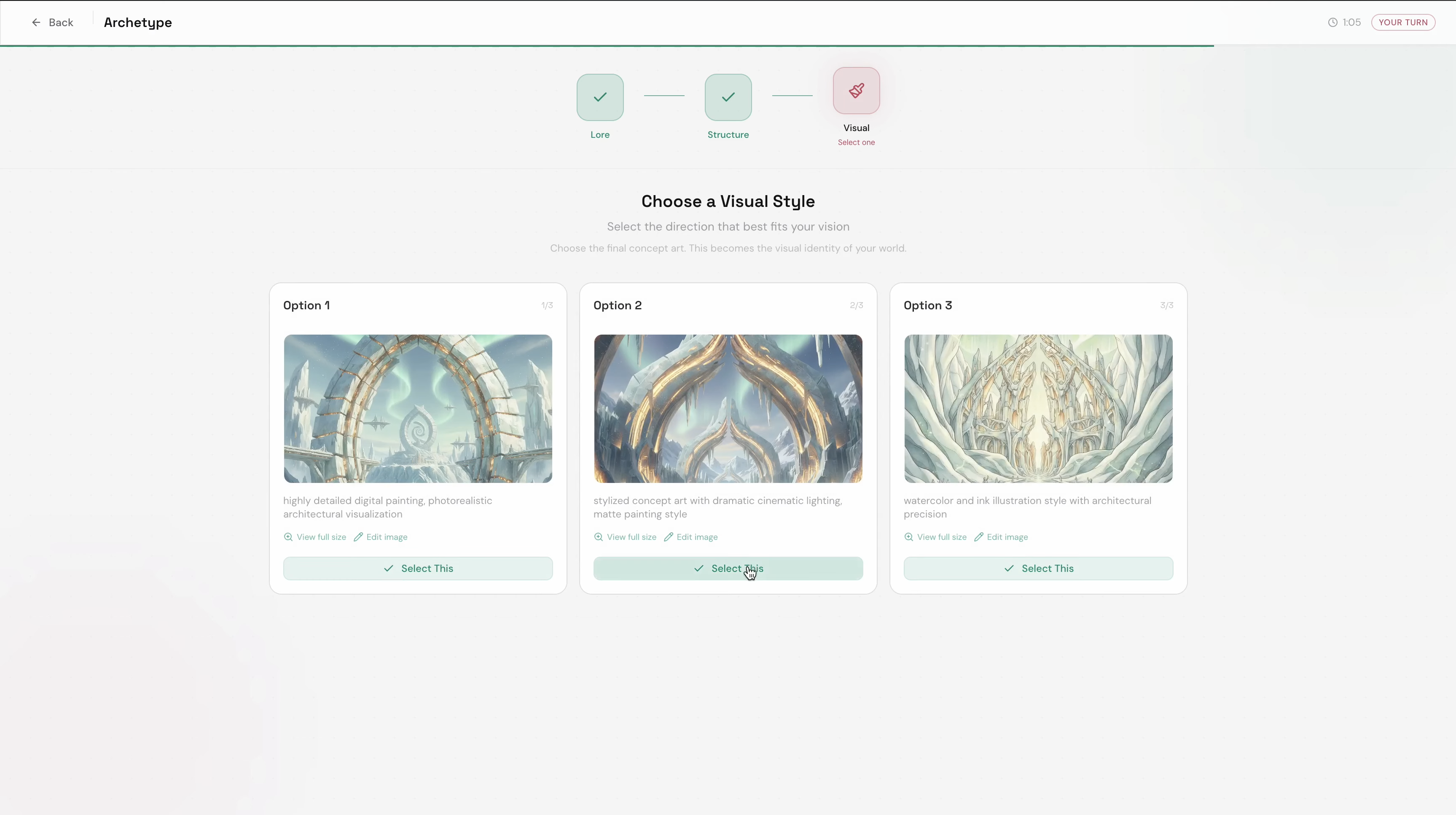
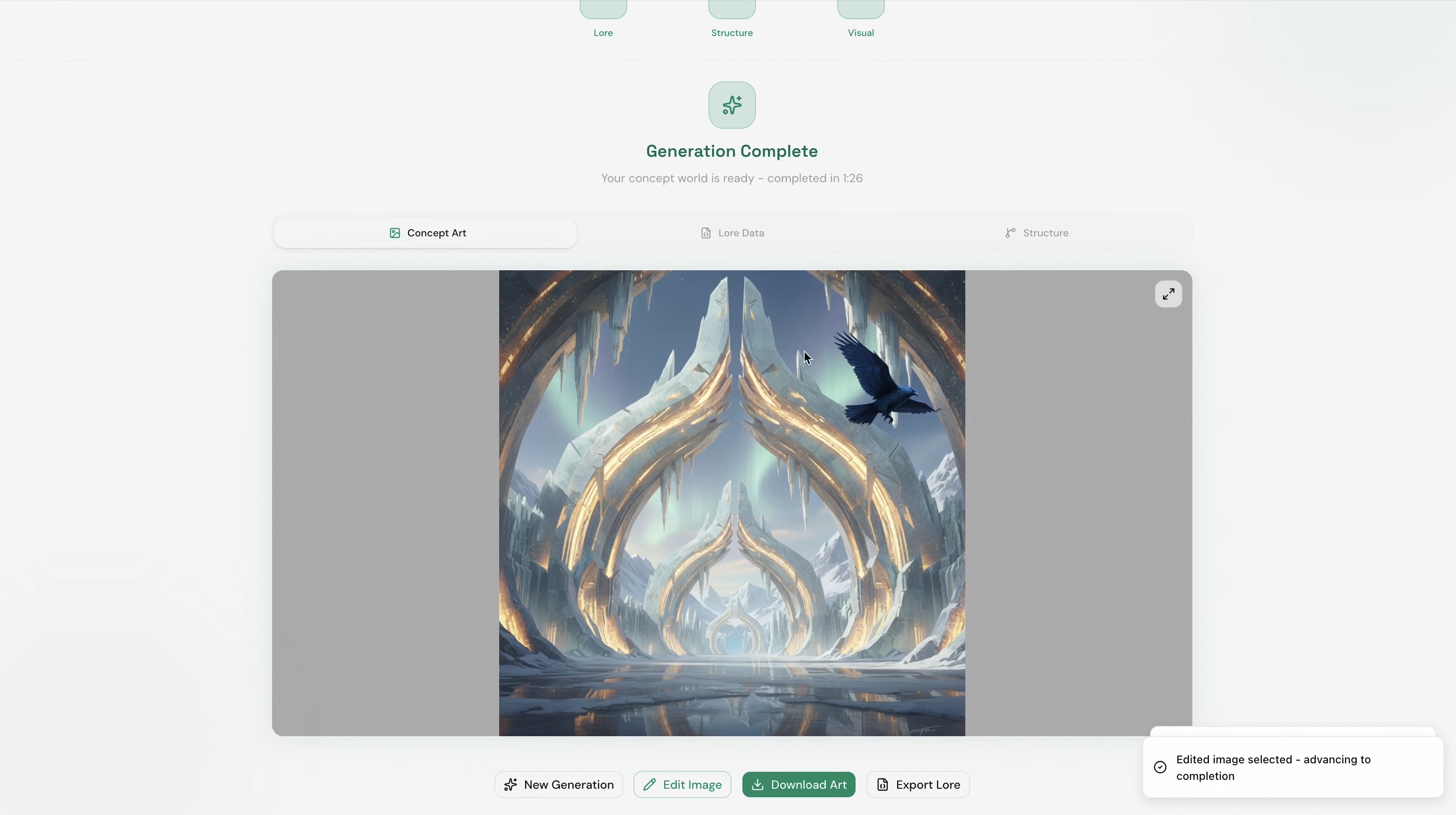
Feeds the lore parameters and the structural SVG into Gemini 2.5 Flash-Image as strict guardrails, then offers in-canvas edits so the user can refine framing, palette, and lighting without losing continuity with the brief.
Built as a case study at Simon Fraser University, Archetype explores how generative AI can hold creative consistency across a long pipeline rather than collapsing into a single prompt. The system routes a one-paragraph brief through a Lore Agent, a Structure Agent, and an Image Agent, with each agent responsible for a different layer of the final world.
Every stage pauses for human input. The current agent generates three candidate outputs (cultural framings, architectural rules, or rendered images) and the user picks the direction to keep developing. The downstream agents inherit only that choice, so each handoff stays narrow and the world keeps its identity from brief to final render.
The most involved engineering work sits between the Lore and Structure stages. The system translates qualitative cultural values like community, hierarchy, and material vocabulary into deterministic L-system fractal rules, which then render as architectural SVGs. Those SVGs and the lore parameters become the strict guardrails that the final Gemini Flash-Image pass has to honour.